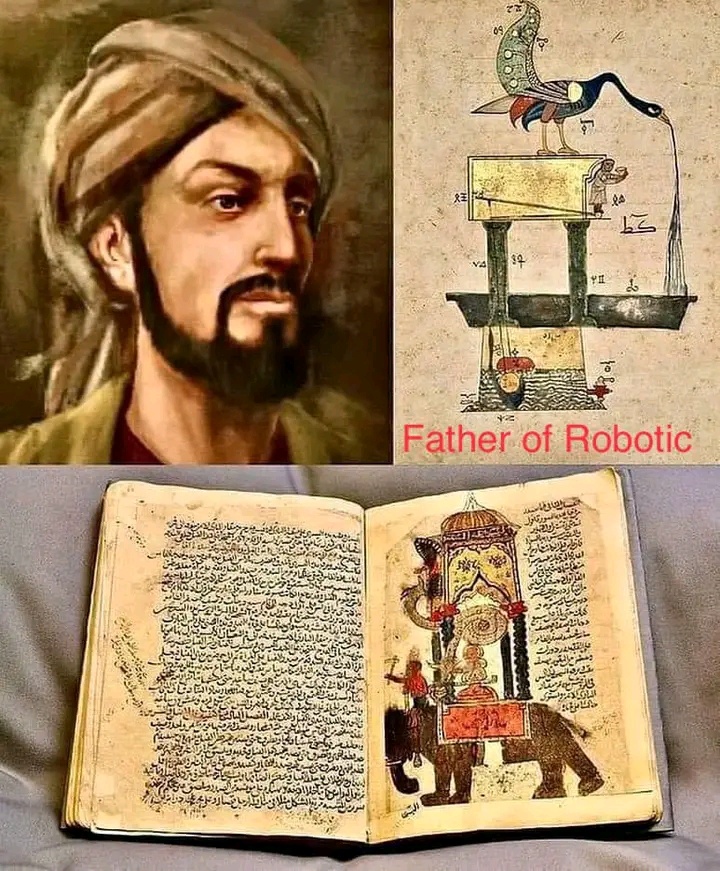
Brilliant Ibn al-Haytham 10th Century Arab Scientist Who Unraveled the Secrets of Vision & Optics.
#PWOA
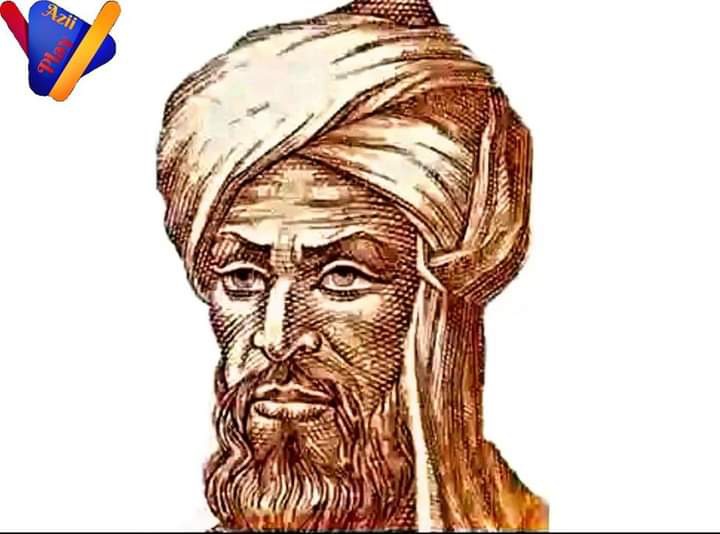
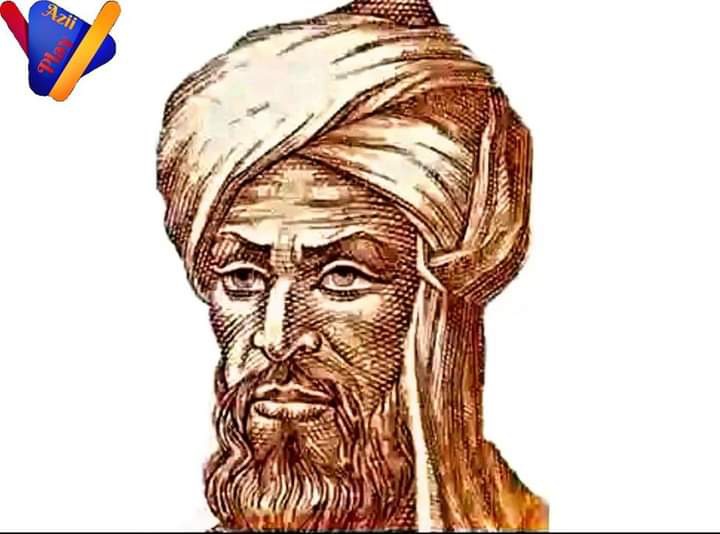
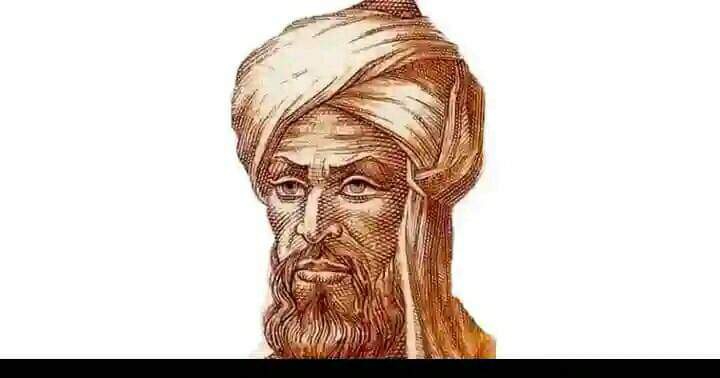
𝐌𝐚𝐭𝐡𝐞𝐦𝐚𝐭𝐢𝐜𝐢𝐚𝐧 𝐨𝐟 𝐭𝐡𝐞 𝐝𝐚𝐲 𝙼𝚞𝚑𝚊𝚖𝚖𝚊𝚍 𝚒𝚋𝚗 𝙼𝚞𝚜𝚊 𝚊𝚕-𝙺𝚑𝚠𝚊𝚛𝚒𝚣𝚖𝚒 , also known as Al-Khwarizmi or Al-Khwarizmi, was a Persian mathematician, astronomer, geographer, and scholar who lived in the Islamic Golden Age. He was born around 780 CE in the city of Khwarezm, which is now part of Uzbekistan. Al-Khwarizmi was a scholar in the House of Wisdom in Baghdad, where he made significant contributions to the development of mathematics, particularly in the fields of algebra and arithmetic. His book “Kitab al-Jabr wa-l-Muqabala” (The Compendious Book on Calculation by Completion and Balancing) introduced a systematic approach to solving linear and quadratic equations and is considered one of the foundational works of algebra. Al-Khwarizmi also wrote works on astronomy, geography, and cartography. His “Zij al-Sindhind” was a popular astronomical table used for calculating the positions of the sun, moon, and planets. He also developed a method for finding the direction of Mecca for Muslims. Al-Khwarizmi’s contributions to mathematics and science were instrumental in shaping the intellectual landscape of the Islamic Golden Age and beyond. His name has been immortalized through the word “algorithm,” which is derived from the Latinization of his name. Al-Khwarizmi made significant contributions to the development of mathematics, particularly in the fields of algebra and arithmetic. Some of his major contributions include: Algebra: Al-Khwarizmi’s most significant contribution to mathematics was his book “Kitab al-Jabr wa-l-Muqabala” (The Compendious Book on Calculation by Completion and Balancing). In this book, he introduced a systematic approach to solving linear and quadratic equations, and also provided solutions for problems related to inheritance and partitions. This work laid the foundations for the development of algebra as a separate field of mathematics. Arabic numerals: Al-Khwarizmi introduced the decimal positional number sy
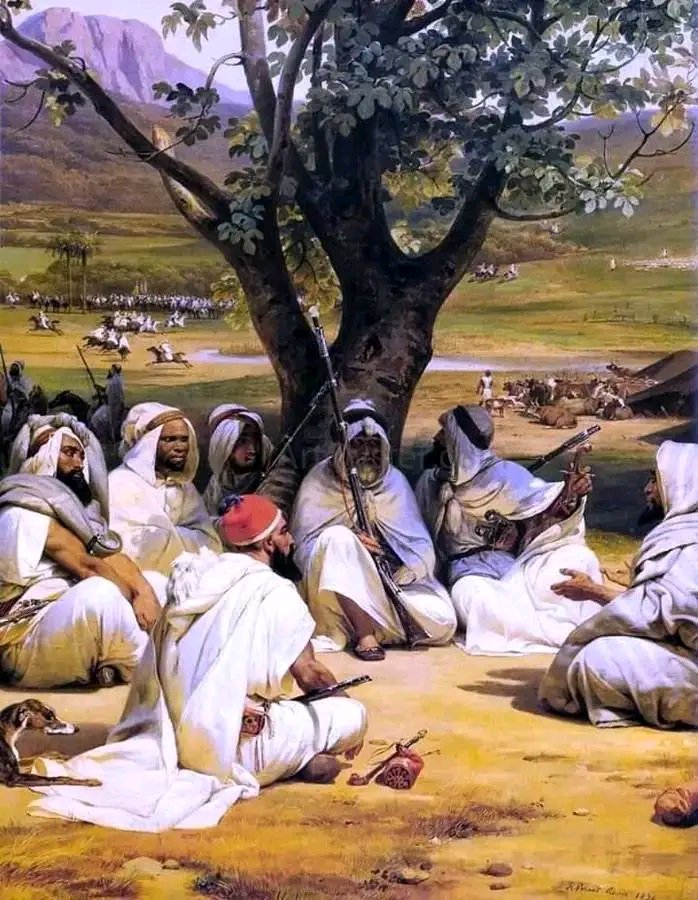
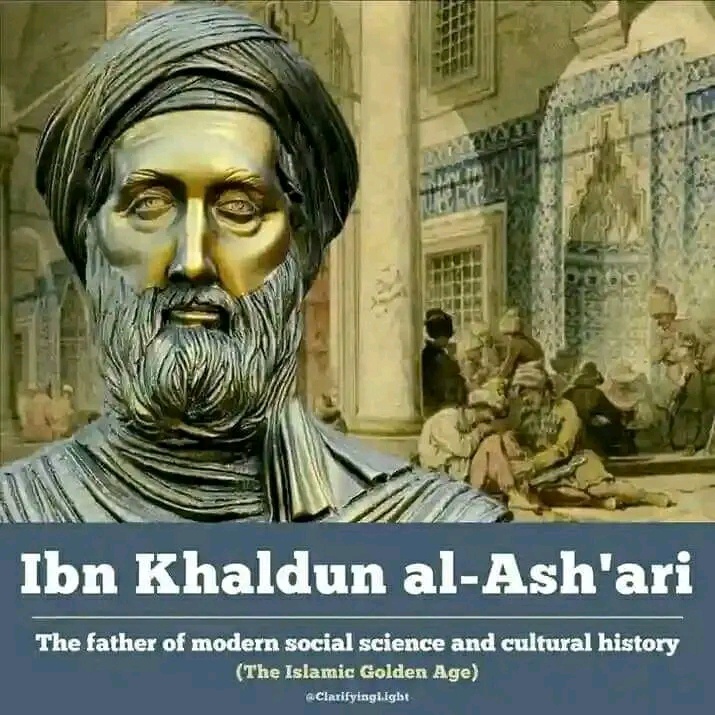
He made major contributions in the areas of historiography, sociology, economics, and demography.
He also achieved high political office, serving as Prime Minister of Egypt, and saw active military service.
He is best known for his Muqaddimah (Prolegomena), the first book of his world history that won him an immortal place among historians, sociologists, and philosophers.
Ibn Khaldun also spent nearly two months in the company of Timur, the founder of the Timurid Empire who treated him with respect.
The scholar used his years of accumulated knowledge and wisdom.
He is generally considered the greatest Arab historian as well as the father of sociology and the science of history.



 Hamdii Shukrii Usmaail